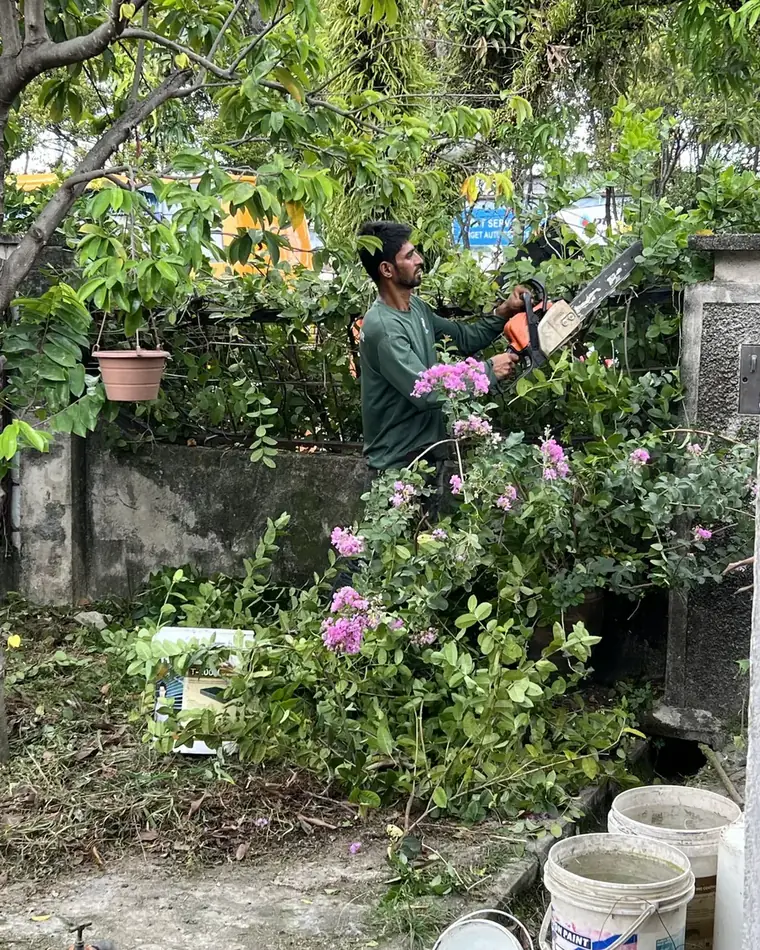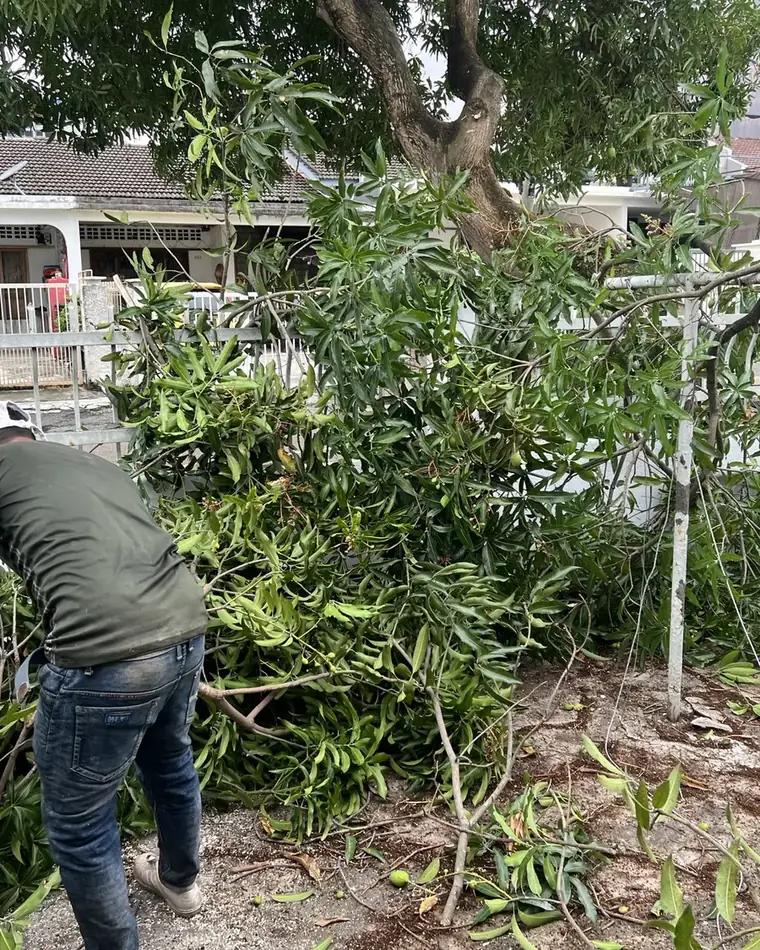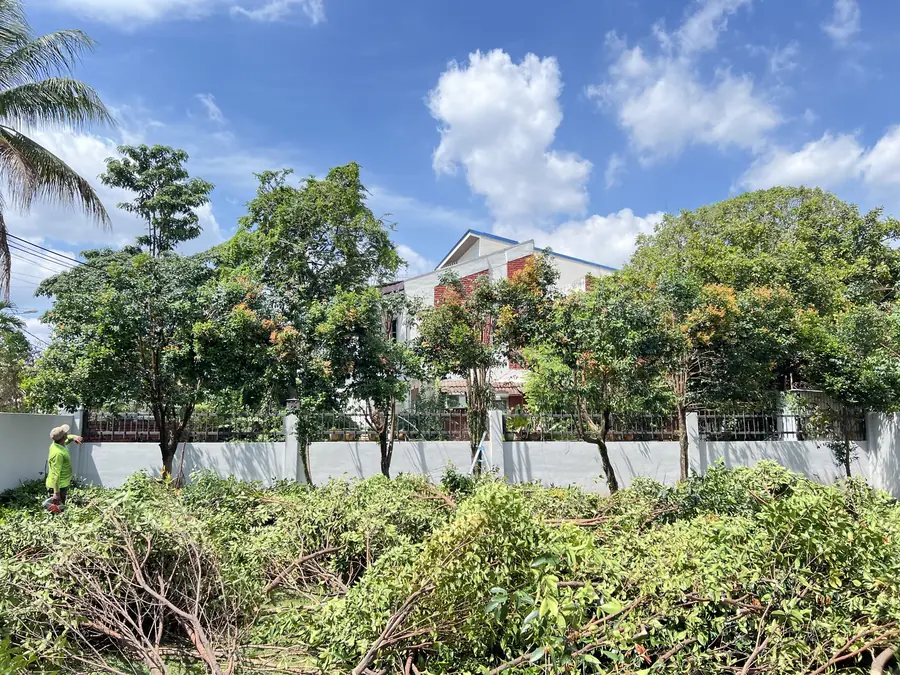
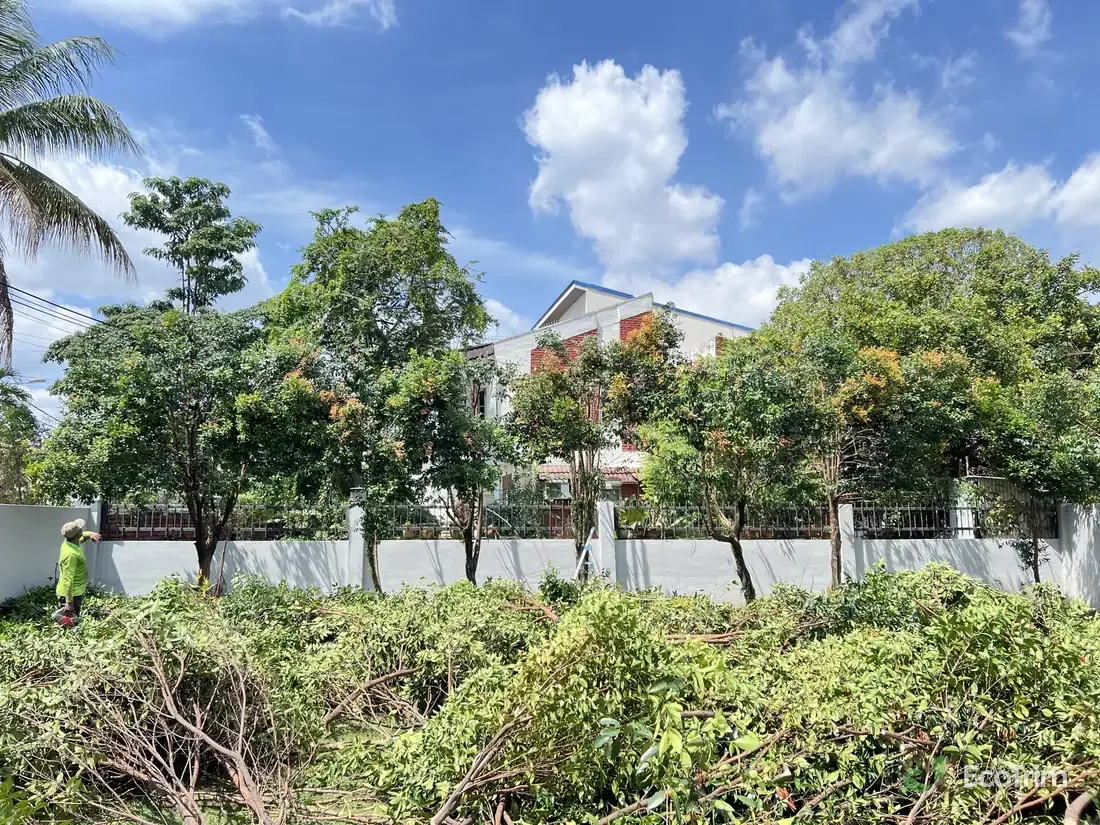
In short
- A planned trim costs far less than a branch through the roof or an emergency call-out at night.
- Pruning keeps gutters, drains and roofs clear and lets wind pass through the crown.
- Fast growers need a trim once or twice a year; most mature trees every one to three years.
- Book several trees in one visit: the cost per tree drops.
Damage it prevents
- Roofs and gutters. Branches scrape tiles and fill gutters with leaves, and water backs up into the ceiling.
- Drains and walls. Leaves block drains; roots and heavy limbs push on walls.
- Cars and porches. Dead limbs fall in the first strong wind.
Emergency call-outs cost more
A tree that fails in a storm is cleared at night or in the rain, often with a roof, car or gate underneath. That work costs more than a booked trim, and the damage comes on top. See emergency tree removal.
Healthier trees last longer
Taking out dead and crossing branches stops rot spreading and lets light and air into the crown. A tree looked after this way can stay for years, instead of being removed early.
How often to prune
| Tree | How often |
|---|---|
| Fast growers near the house | Once or twice a year |
| Mature shade trees | Every 1 to 3 years |
| Fruit and flowering trees | After fruiting or flowering |
Ways to keep the cost down
- Do several trees in one visit.
- Keep the logs if you can use them; less goes in the bin.
- Clear the way: move cars and open side gates before the crew arrives.